
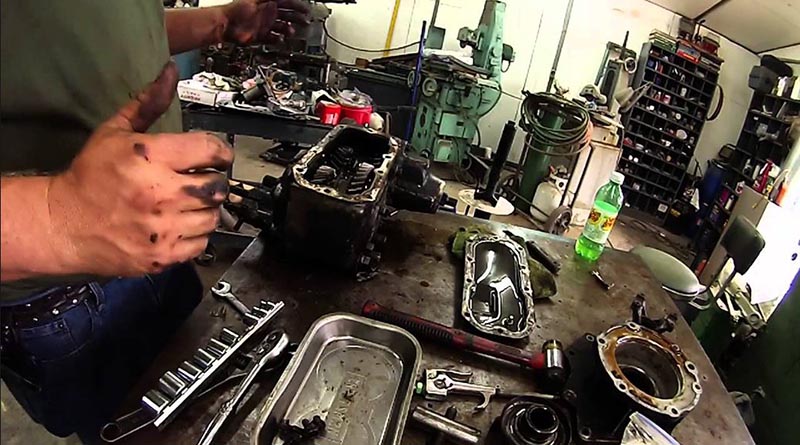
Tech Corner: Tips for Selecting the Right Transfer Case for a 4×4
 Bigger tires, lower ring gears, lift kits, and lighting are all upgrades everyone is looking to make to their 4×4. Are we right, or are we right? However, the transfer case is the heart and soul of that off-road build. Without it, the vehicle would just be two-wheel drive and where’s the fun in that? Whether you’re invested in a serious build or looking to make some essential off-road upgrades, it’s time to turn your attention to the transfer case.
Consider Your Needs
Now, don’t get us wrong. The factory unit, or a factory-type unit from a separate vehicle, is a great option for those not planning to do serious rock crawling. Just don’t expect miracles. It’s not like a stock transfer case is going to turn water into wine. So, if you plan to subject a 4×4 to regular abuse, expect compromised performance and a replacement down the line. Personally, if you know that your rig isn’t going to be a mall crawler and you have every intention of getting some mud on the tires, then we suggest biting the bullet and making an appropriate upgrade. The good news is that your hands aren’t tied when it comes to options. As always, folks turn to the aftermarket for amplified performance.

There are a lot of times when it will be required of you to swap out the factory transfer case for something of a higher caliber. Just like any other mechanical component, a transfer case can only take so much abuse. Believe it or not, a lot of stock transfer cases are chain-driven units. This, along with a few other factors, such as weak internals and limited shifting capabilities, may push one to look for a sturdier option to swap in place of the factory unit. You can scavenge other vehicles for one, or you can pick up a complete transfer case from companies like Atlas—a trusted group that builds gear-driven transfer cases with beefed up internals and even the capability to shift axles independently.
Consider Your Options
Those considering an upgrade must weigh the pros and cons based on individual needs in order to pull the trigger on the right decision. Each transfer case has different strengths and weaknesses. The NV231, Dana 20, and the BorgWarner 1356 are all very popular units with excellent credibility, and they’re appropriate for a number of builds. But if you peruse the forums, you’ll notice that enthusiasts point out small shortcomings as well.
For instance, some 4×4 enthusiasts associate BorgWarner with electronic shifting mechanism issues found in particular units; the Dana 20 has a sad low range gear ratio; and the NV231 also catches heat for shifting (the biggest issue being that they’re known for wearing out quickly). So, there’s no one-size-fits-all when picking a transfer case. Just like there isn’t a universal fix for the shortcomings listed above. However, there are a few common aftermarket upgrades that complement any transfer case…
Other Upgrades to Complement the Transfer Case
Internals—Whether you’ve opted to use the factory unit or plan to swap, beefing up the internals is always a good place to start. And while you’re at it, look into lower gear ratios. For all the Jeepers out there, Teraflex offers kits like the Teralow 4:1 for the NV231 transfer cases, along with gearing solutions commonly associated with Jeeps. Additionally, they have the 2-Low shifter-kit available for certain models, which helps to enhance control over the vehicle while wheeling.
Slip Yoke Eliminator—Another popular modification to consider is a slip yoke eliminator, which allows the driveshaft to change sizes as the axle articulates with the suspension. Though it has its advantages for daily driving, it can be a hassle off road. The suspension will be moving much more than it would on the street and if it goes too far, the yoke can slip right off. Slip yoke eliminators put the yoke in a fixed position to keep this from happening. If extreme articulation is on the agenda, this is a must. If you’re only working up the stock transfer case, chances are you won’t have to worry about much more than simply bolting it back into place when you’re finished.
Custom Work—The driveshafts and mounting might bring you to a situation where custom work needs to be done. Of course, this is a case-by-case scenario. Why? Driveshaft lengths and even joints might need to be adjusted in size. Do yourself a favor and avoid a hack job by contacting a trained professional, or opt to buy a custom driveshaft that you know will fit. If cuts aren’t made with laser precision, the balance will be off and cause vibration issues.
Avoid the Tow Truck
When picking out or upgrading a transfer case for your 4×4, remember that a chain is only as strong as its weakest link. Leaving the transfer case as-is can ruin the entire build of an off-road rig that is beefed up everywhere else. If your intentions are to push that 4×4 to the max, be smart and make the proper upgrades to support that kind of activity. Otherwise there’s a good chance you’ll wind up spilling the guts of the transfer case, only to find yourself loaded onto the back of a tow truck facing a bigger dent in your wallet.


