
Tech Corner: Diagnosis of the Cooling System, to Repair or Replace
Cooling systems. While probably the most reliable part of the vehicle, they still fall short or fail from time to time. When they do—there’s no need to panic. Repairing individual parts or overhauling the system altogether can usually be done in your driveway and won’t cost a fortune. Whether you’re repairing your old trusty pickup or building up your hotrod, everything you need to know is down below.
Check the Radiator
As one of the most easily recognized parts of the cooling system, the radiator feels like the right place to start our discussion. There are two primary reasons you would want to replace your radiator: it’s either damaged or it’s time for an upgrade.
Simply put, radiator damage is annoying. Coolant flows like water, which means it gets everywhere. Although, truth be told, this does make detecting a leak easier. Before you begin to suspect that the radiator itself is at fault, check your hoses and connections for any holes or corrosion.

Replacing factory hoses is extremely easy and much more affordable than the radiator itself. For those seeking a step up, check out a brand like Spectre for nice, stainless-steel hoses. (Just don’t make the same mistake I did by forgetting to check that the coolant has been completely drained from the system before you remove said hoses. While your buddy may get a laugh, in general, coolant isn’t particularly funny when it’s all over you.)
If your hoses are in good shape, then you should check the radiator.
Again, look for small cracks or holes, discoloration, and corrosion. While taking the radiator for repair is an option, you can always try fixing it yourself if you’ve got the equipment. It also helps if the damage is in the right spot. Keep in mind though, unless you’re working on a classic and are committed to preserving the original parts, the level of difficulty associated with radiator repair can greatly outweigh the cost and efforts of just bolting a new one into place.
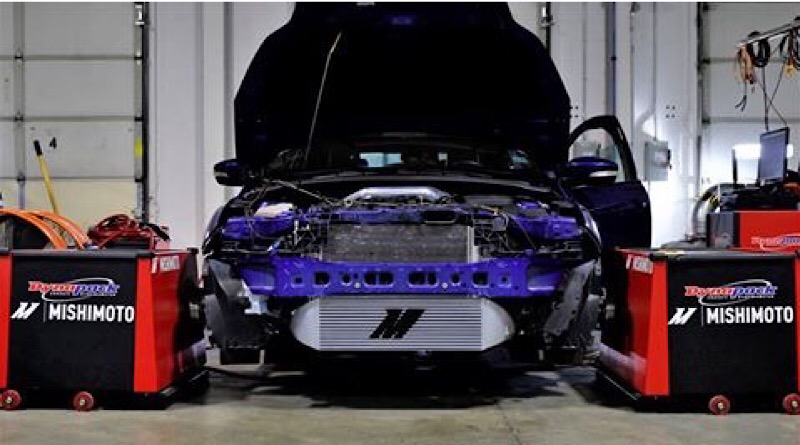
OE-style radiators, like those offered by Spectra Premium, will only run around $100 (depending on the model). However, if you’re looking not only to replace, but also upgrade, obviously you should expect to spend more money. Aftermarket options use better materials and often increase the size and count of the rows in the radiator’s core to improve cooling. Northern Radiator and Mishimoto are excellent replacement radiator brands to lean on as they offer high-quality products that meet the demands of most motorists.
While replacing a busted radiator varies from vehicle to vehicle, overall, it’s a pretty straight-forward job. If anything, the most difficult part is usually getting to the actual unit itself. Depending on the vehicle, you may have to remove a considerable number of plastic pieces and clips. Though, once you’ve reached the radiator, it’s a simple matter of making sure all the coolant has been drained, removing the hoses, and unbolting the unit. Then repeat the steps in reverse when it comes time to put in the replacement.
For small leaks, you can try running a radiator leak fix.
A quick and cheap solution, these products are specially formulated to stop minor leaks and drips. (Bar’s Leaks is a great name to turn to.) However, I recommend you only go this route with a beater vehicle or average daily driver. They’re not bad products—but when it comes to true peace of mind, I think most gearheads would agree that replacing the damaged part of the cooling system is a better approach.
Peek at the Water Pump
During a hunt for leaks, hoses and the radiator may be in check, which means it’s time to look at the water pump. The water pump is much like the heart of the system, as its job is to pump the coolant through the engine and the radiator. And much like an old ticker is prone to problems, old water pumps can weaken over time and sprout some leaks. When this happens, replacing the pump is your only option. However, if the leak is due to a gasket failure, you can get by with just replacing the gaskets. If the impeller has stopped working, though, coolant will stop flowing and the engine will begin to overheat which also means—yep, you need a new water pump.
Like we discussed with radiators, some replacements turn into upgrades—and replacing a water pump for better cooling system performance is actually a pretty common mod. (You’ll see this a lot on older engines, as swapping to an aluminum water pump can create better heat dispersion and weight savings.) Holley and Edelbrock are both great suppliers for mechanical pump options. Though, many will want to take things a step further and reach for an electric water pump. These types of pumps bring all of the same benefits to the table, but also reduce engine drag which can reduce loss of horsepower. In this case, Proform is an excellent choice for most domestic engine builds.
As expected, replacement varies among vehicles.
On something like a small block Chevy, it’s a really straightforward process and can likely be done within an hour (assuming you don’t have other problems lurking). However, on a newer vehicle where everything is incredibly compact and hard to reach, it can be a nightmare to take on your own. This is where you will want to gauge the situation and decide whether you want to tackle it yourself or pay a professional to knock it out for you.
Move to the Cooling Fan
So, let’s say your radiator, hoses, water pump and all of the gaskets are in good shape, but you’re still overheating. While it seems unlikely, we can’t rule out the cooling fan. If you’re running a belt-driven cooling fan with a clutch, there’s a good chance that the clutch has gone bad. When this happens, the fan may spin but simply isn’t stopping fast enough. A good way to test this is by using a rolled up newspaper or magazine to touch the fan with as it spins. If you are able to stop it, the clutch has gone bad, which will result in an overheating engine.
On older cars, fan clutches likely aren’t present so you probably won’t have this issue. However, if you are running a vehicle with electric fans (this includes newer models), you want to ensure the fans are kicking on as needed. If there has been an electrical failure, they won’t turn on and the engine will overheat. You may not need to get new fans in this case, but you will need to troubleshoot the electrical system.
If however, you do need a new one—or again, you’re seeking an upgrade—the aftermarket has plenty to offer. In my opinion, Flex-A-Lite is the go-to brand for aftermarket cooling fan options. The company offers a huge variety of both mechanical and electrical fans, all of which will improve the cooling process, reducing drag on the engine and increasing horsepower.
Don’t Forget the Transmission Cooler
Transmission coolers are not directly linked to the engine’s cooling system, so their failure will not impact engine performance. However, they are responsible for keeping the transmission fluid at a stable temperature. And the more performance being demanded of the transmission, results in hotter ATF. They don’t often fail, but when they do a puddle of automatic transmission fluid under the vehicle or dripping from the lines will be evident.
Replacement is easy and affordable. In fact, the process is essentially the same as replacing the radiator, just on a smaller scale and with hard lines connected. Derale is a great supplier to check out, as the company offers coolers for virtually any application you could dream up. Generally speaking, though, if something is going to fail in regards to the transmission cooler, it will be the lines. In which case, you can look into a company like Dorman for a replacement.
Making upgrades to your vehicle’s cooling system offers a lot more than just improved engine temperatures.
It impacts engine performance by increasing horsepower with reduced drag and ideal operating temperatures. These mods also reduce vehicle weight, making those power advantages count for more.
The difficulty of replacing cooling system parts is also fairly low in most cases and it’s a great task for a DIYer. If you’re new to the field and want to get some work under your belt, I definitely would say this is a great place to start.


